
Individual facilitators
Trainers, facilitators, coaches and consultants who already deliver and want more range, presence and control of the room. Development runs against your own upcoming sessions.
Facilitation training
Facilitation training built around practice, not slides. For individuals sharpening their own craft and for organisations building a shared delivery standard across a team.
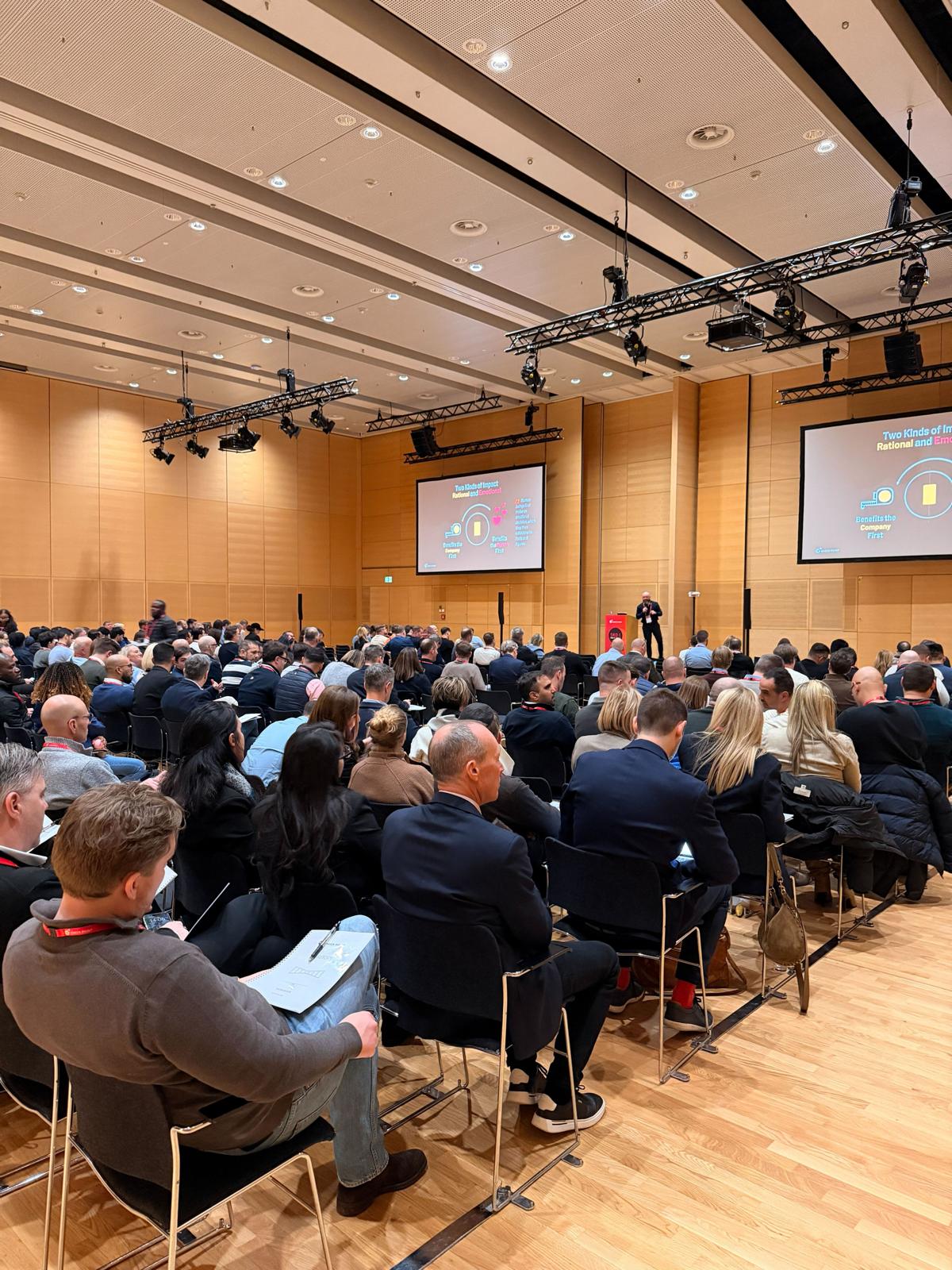
The problem
Plenty of programmes will hand you a model, a workbook and a framework for running a session. Very few put you back in the room, watch what you actually do, and coach the behaviours that decide whether anything lands. That gap is why competent, well-prepared delivery still produces polite nodding and no change.
Who it's for
Trainers, facilitators, coaches and consultants who already deliver and want more range, presence and control of the room. Development runs against your own upcoming sessions.
Internal trainers, L&D, enablement and anyone who regularly teaches or facilitates. The goal is a shared standard for delivery so quality stops depending on the individual.
Looking to have the session delivered for you instead of building the capability in-house? See workshop facilitation services.
What facilitation training covers here
The Facilitation Alive Standard is the frame for every programme — the five things that decide whether a room participates and whether anything survives afterwards.
How you show up.
How the experience flows.
How you read the room.
How you turn audiences into participants.
What survives after the session.
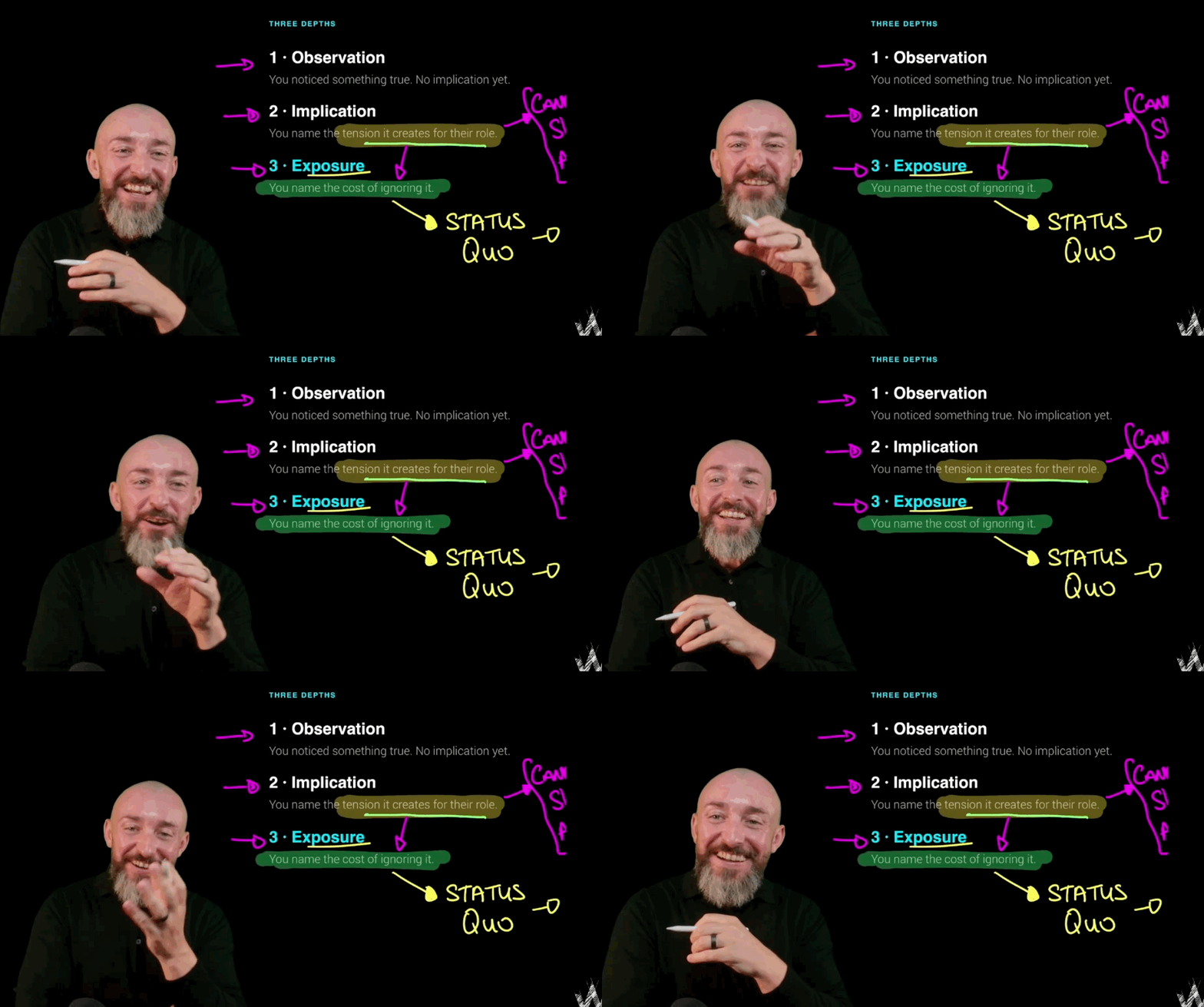
You can't read a room from a slide deck. Presence and connection are behaviours — which means they can be practised.
The approach
The sequence matters. Capability compounds when practice follows the fundamentals and reinforcement follows the practice.
Understand what is working now and where delivery is breaking down.
Develop the fundamentals through Facilitation Foundations.
Use real sessions in coached Practice Labs.
Build shared language, manager coaching and reinforcement.
See the full picture on how we work, or start by finding your blindspot with the facilitation diagnostic.
Set the right expectation
A lot of people searching for facilitation training are looking for a scheduled public course with dates and an accreditation at the end. That isn't what this is. There is no open calendar and no credential — the work is practice-led development built around your real sessions, your team and your context. If a qualification is the requirement, I'll tell you straight away rather than dress this up as one.
Proof
5,000+
people trained and facilitated
Virtual + in person
small cohorts to large-scale enterprise rooms
Shane's sessions were a real pleasure. He makes complex ideas feel accessible and actually usable. You leave with things you want to put into practice — not just slides you'll ignore.
What sets Shane apart is that he doesn't just deliver training, he builds capability. The sessions changed how our team thinks about conversations, not just what they say in them.
Questions
Tell me what's happening in your rooms and I'll come back with the most useful next step — programme or not.