
Internal trainers and L&D
The people delivering your onboarding, product, process and leadership content — where craft decides whether any of it lands.
In-house facilitation training
For L&D, enablement and capability leads with a real question: can you develop our people's ability to facilitate? This is that programme — run for your team, in your context, on-site or virtually.
The organisational problem
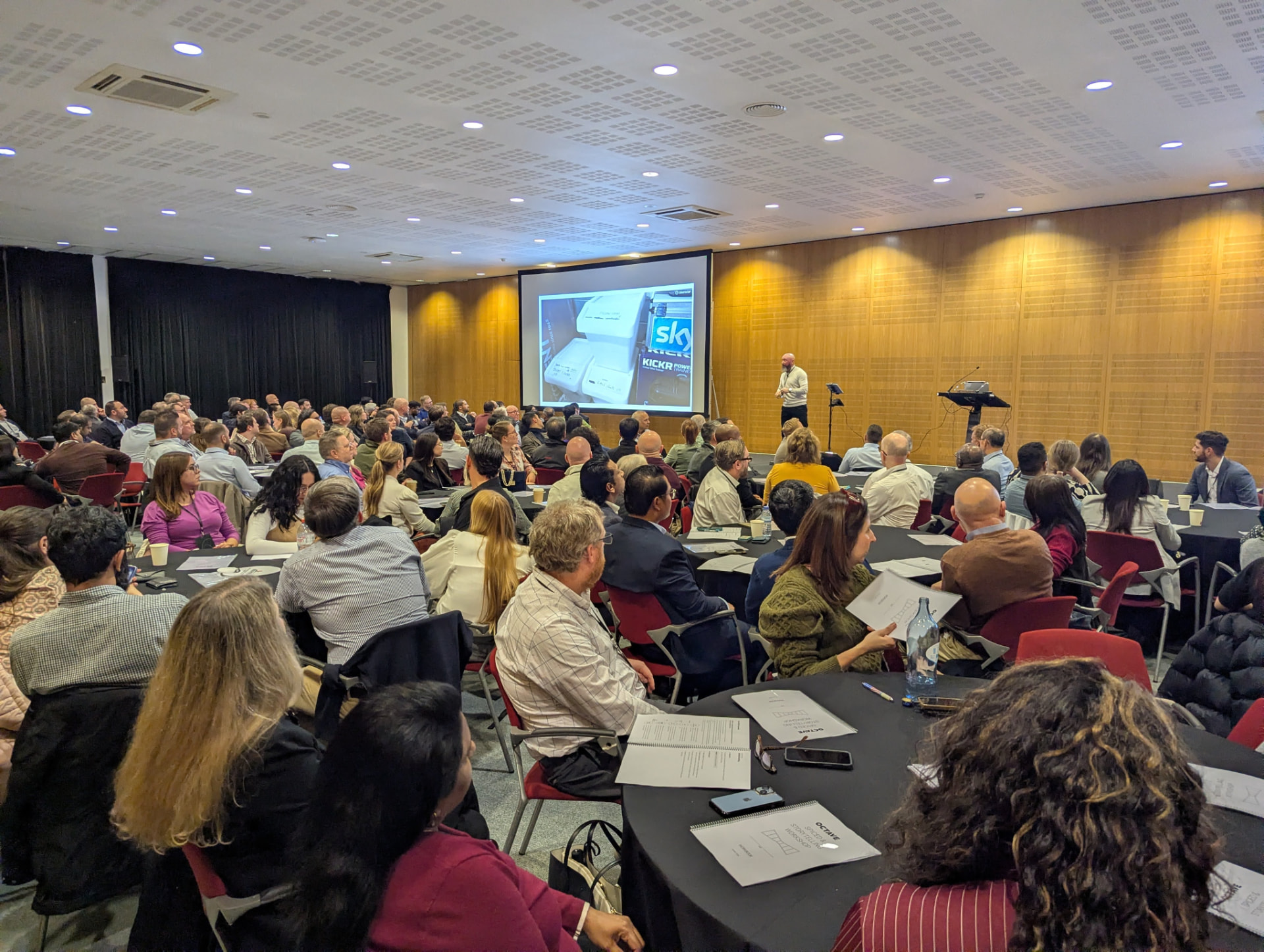
Most organisations have two or three people who can genuinely hold a room, and a much longer list of people who have to. Sending individuals off to separate courses gets you individual improvement at best and no shared standard at all. Developing a cohort together is what turns facilitation from a personal talent into an organisational capability.
Who goes through it
The people delivering your onboarding, product, process and leadership content — where craft decides whether any of it lands.
People who know the content cold and are expected to teach it to others, often without ever having been developed to do that.
Anyone running sessions where the goal is participation and adoption, not information transfer.
What in-house facilitation training covers
The Facilitation Alive Standard gives the cohort one vocabulary for delivery — so feedback between your own people means something after the programme ends.
How your people show up.
How your sessions flow.
How they read your rooms.
How audiences become participants.
What survives after the session.
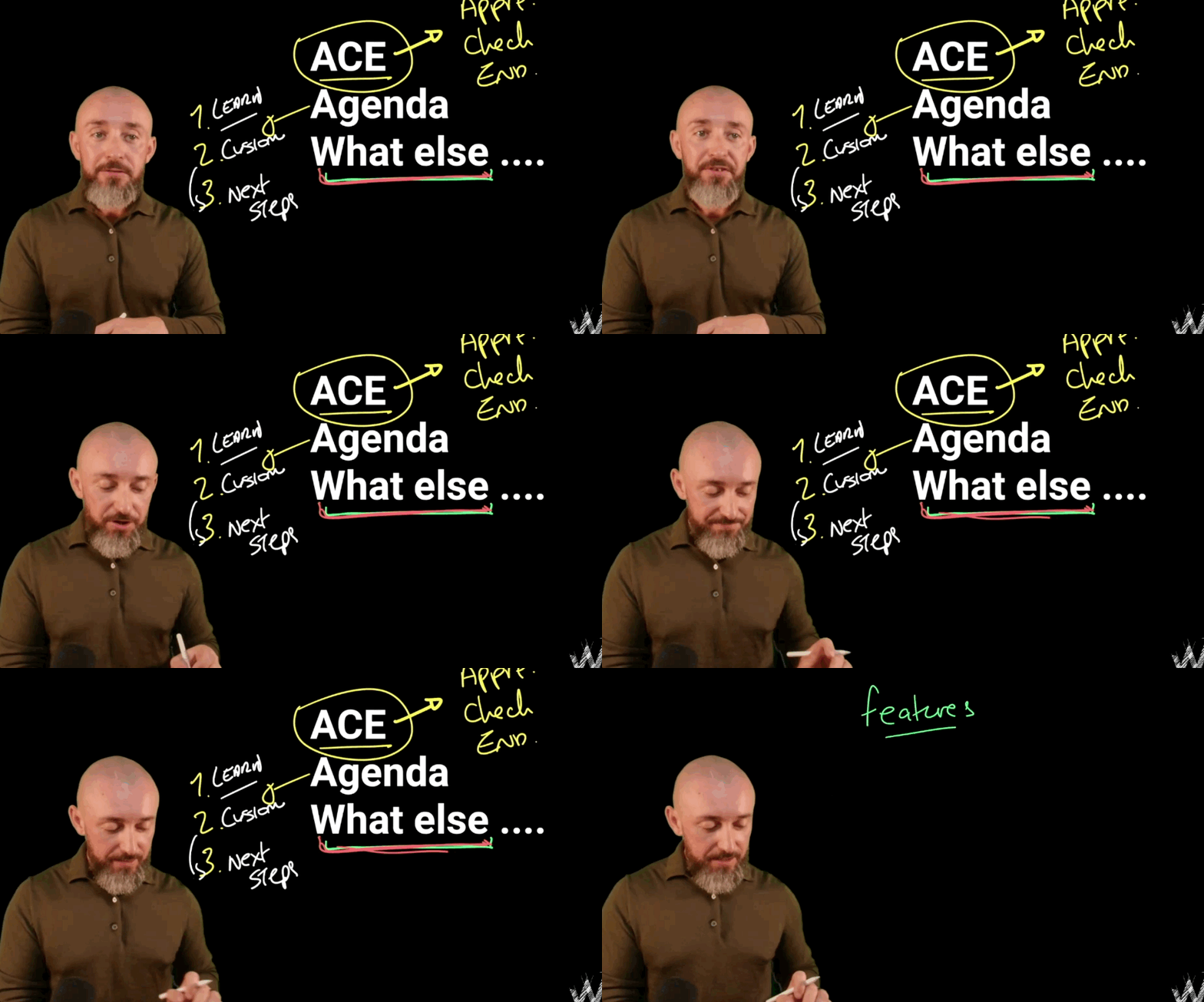
A shared standard beats individual brilliance. It's the difference between a good facilitator and a team that can facilitate.
The approach
The sequence matters. Capability compounds when practice follows the fundamentals and reinforcement follows the practice.
Understand what is working now and where delivery is breaking down.
Develop the fundamentals through Facilitation Foundations.
Use real sessions in coached Practice Labs.
Build shared language, manager coaching and reinforcement.
The full method sits on how we work, and the wider organisational picture on for organisations.
Where this sits
There's no open calendar and no certificate at the end. Facilitation training is the category page, including individuals sharpening their own craft. This page is what happens when an organisation wants several people developed together, against their own sessions, with one standard for delivery — measured by what changes in your rooms rather than by an accreditation.
Proof
5,000+
people trained and facilitated
Virtual + in person
small cohorts to large-scale enterprise rooms
Shane's sessions were a real pleasure. He makes complex ideas feel accessible and actually usable. You leave with things you want to put into practice — not just slides you'll ignore.
What sets Shane apart is that he doesn't just deliver training, he builds capability. The sessions changed how our team thinks about conversations, not just what they say in them.
Questions
Tell me who delivers your sessions today and what's not landing. I'll come back with how I'd sequence the work for your team.