
Leadership team meetings
Where everyone present has both a view and an interest, and the chair can't be neutral because they're part of the argument.
Meeting facilitation
Some meetings need someone whose only job is the process. We agree what has to be decided, design how the hour works, then I run it — so the conversation lands somewhere instead of being picked up again next month.
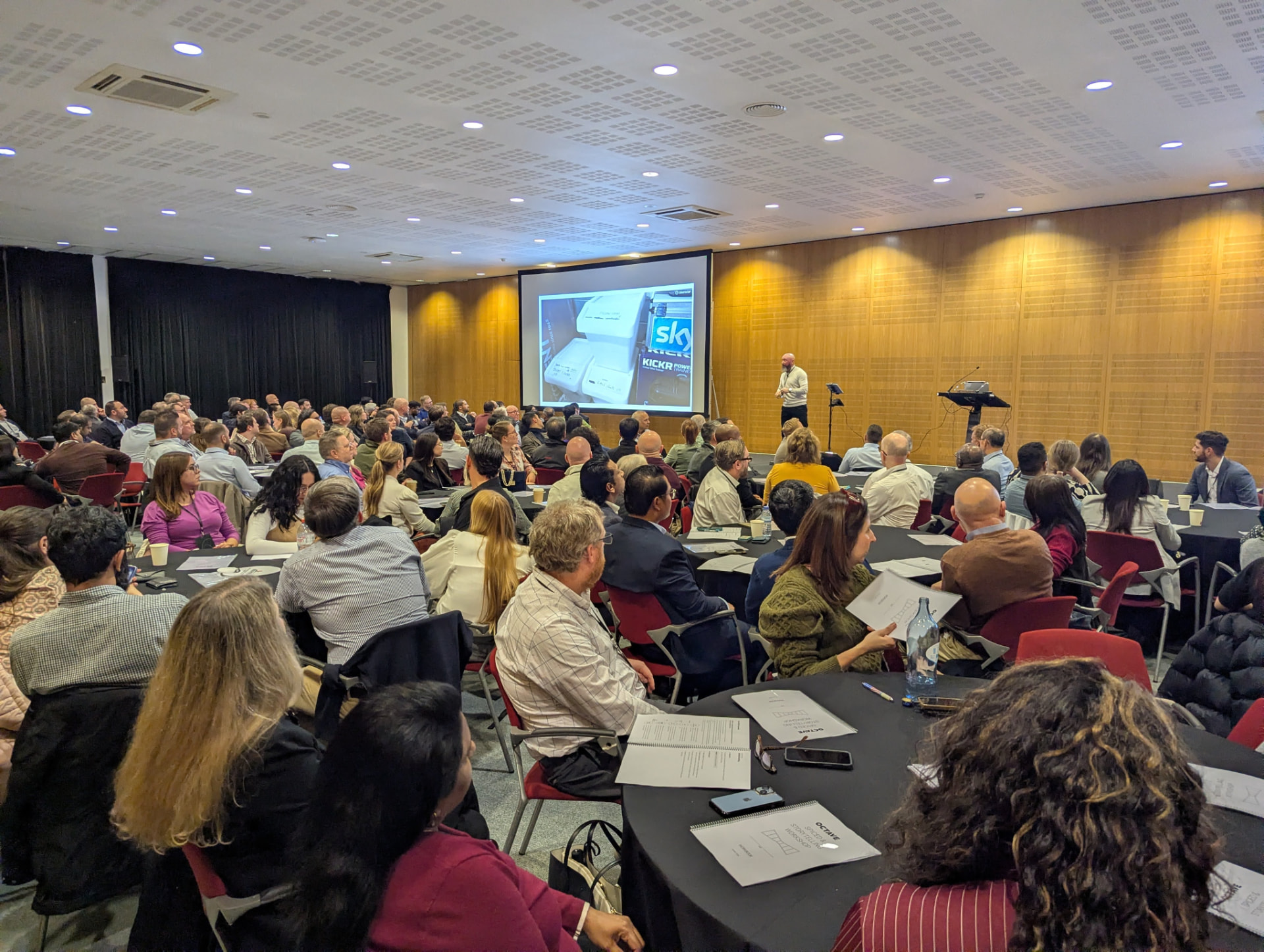
Developed facilitators who work with teams at
The problem
A meeting that goes nowhere rarely fails on content. The people in the room know the subject. What's missing is someone holding the process — deciding what the hour is for, keeping the discussion on the open question, hearing the people who haven't spoken, and forcing the moment where a decision is actually made rather than sensed. When the person who'd normally chair also has a stake in the outcome, that job doesn't get done.
This is different work to a workshop. A workshop is a one-off, structured session built to produce something. A meeting is shorter, usually recurring, and has to reach a decision with people who already hold positions. If what you actually need is a full structured session, see workshop facilitation.
How meeting facilitation works here
The same four stages as any session I'm brought into, compressed to the size of a meeting.
We shape the meeting itself — what's on the table, what order it's taken in, and where the hard part sits.
We agree the decision that has to exist by the end, and what counts as having made it.
We plan the practicalities — who's in the room and why, pre-reads, timings, and how the decision gets recorded.
I chair it. You take part in your own meeting instead of refereeing it.
The craft underneath it is the same as everywhere else here — see how we work.
What I'm brought in for
Where everyone present has both a view and an interest, and the chair can't be neutral because they're part of the argument.
Competing priorities, no single owner, and a trade-off nobody wants to be the one to name. That's a process problem, not a content one.
The standing meeting everyone attends and nobody rates. Reset the structure once, keep it, and hand it back to your own chair.
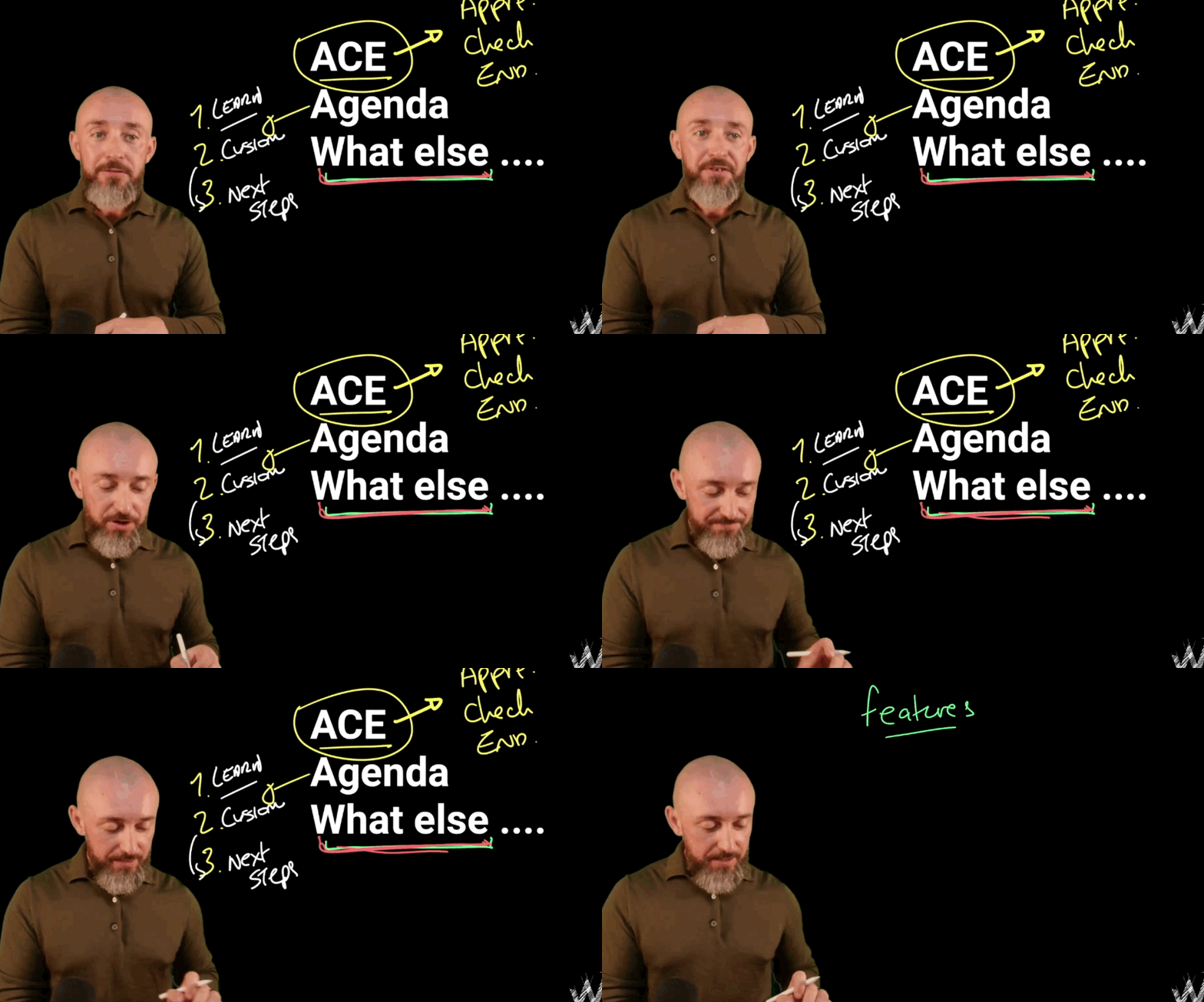
A meeting doesn't go nowhere because people don't care. It goes nowhere because nobody in the room is responsible for the process.
Which one do you need?
This page is for meetings you want facilitated for you. If the meetings themselves are fine but the team dynamic isn't, that's team facilitation. If you'd rather your own people ran rooms like this without me, that's facilitation training.
Proof
5,000+
people trained and facilitated
Virtual + in person
small leadership groups to large-scale enterprise rooms
Shane's sessions were a real pleasure. He makes complex ideas feel accessible and actually usable. You leave with things you want to put into practice — not just slides you'll ignore.
What sets Shane apart is that he doesn't just deliver training, he builds capability. The sessions changed how our team thinks about conversations, not just what they say in them.
Keep reading
Two pieces worth reading first: why your meetings go nowhere and how to run a meeting that ends in a decision. Plenty of teams fix it themselves from there.
Questions
What has to be decided, who's in the room and what's stopped it happening so far? Send that over and I'll come back with how I'd run it.