
Internal trainers
People whose job is delivery — onboarding, product, process, compliance, leadership content — who want range and control rather than a script.
In-house train the trainer
For organisations developing the people who deliver their training. Your experts already know the content — this builds the craft that decides whether anyone can use it afterwards.
The problem
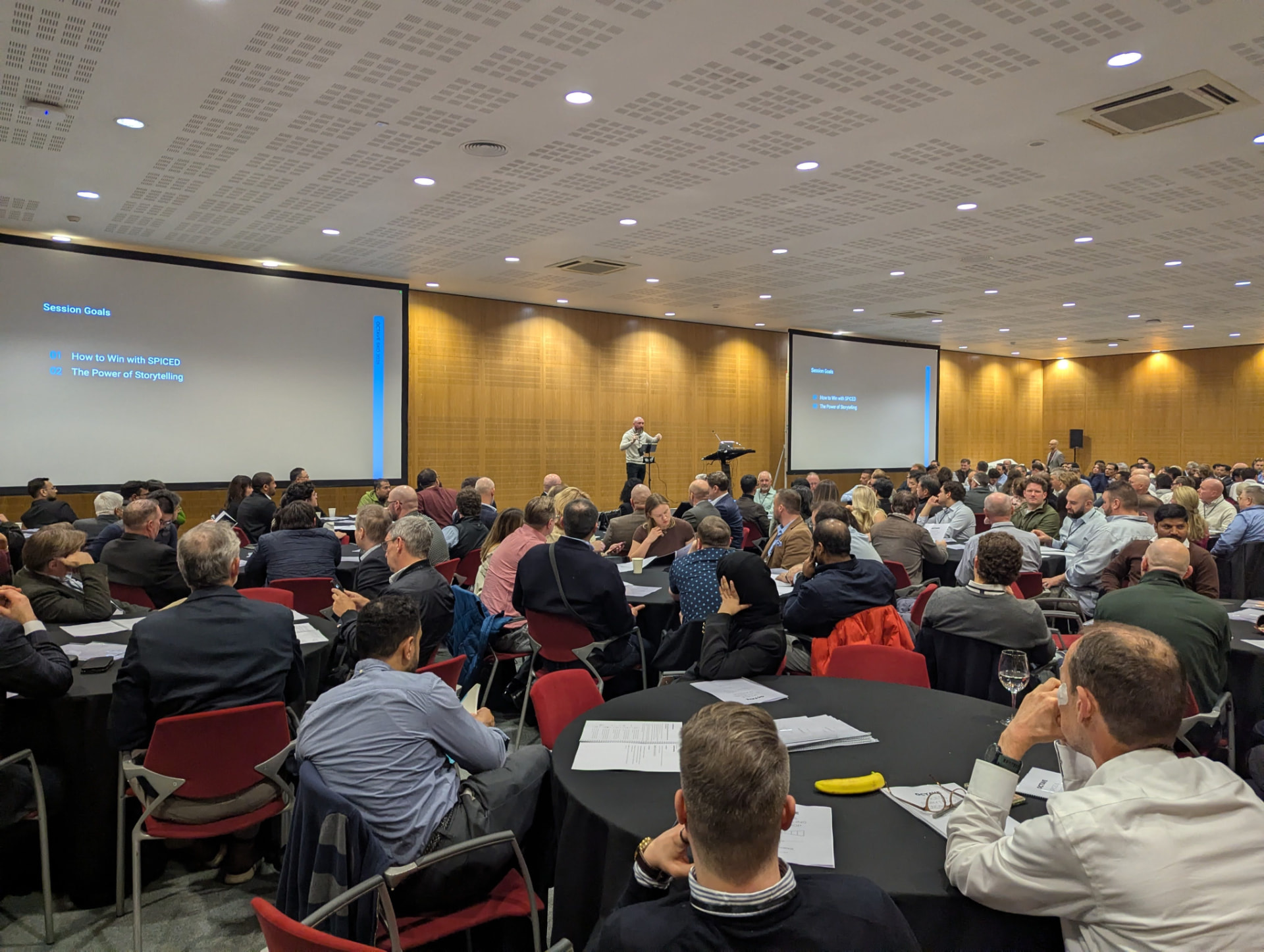
Most internal training is delivered by the person who knows the subject best. That's the right instinct and the wrong assumption. Expertise makes people thorough, not teachable — so sessions turn into transmission, learners nod along, and nothing changes in the work. Delivery skill is a separate craft, and it can be developed.
Who it's for
People whose job is delivery — onboarding, product, process, compliance, leadership content — who want range and control rather than a script.
Specialists asked to teach what they know, usually without ever being developed to do it. This is where the biggest lift tends to be.
People who coach and upskill their teams in the flow of work and want that to actually stick.
What it develops
The Facilitation Alive Standard applied to training delivery — the things that decide whether learners participate and whether anything survives the session.
How your trainers show up.
How content becomes learnable.
How they read the learners.
How practice replaces lecture.
What learners still use later.
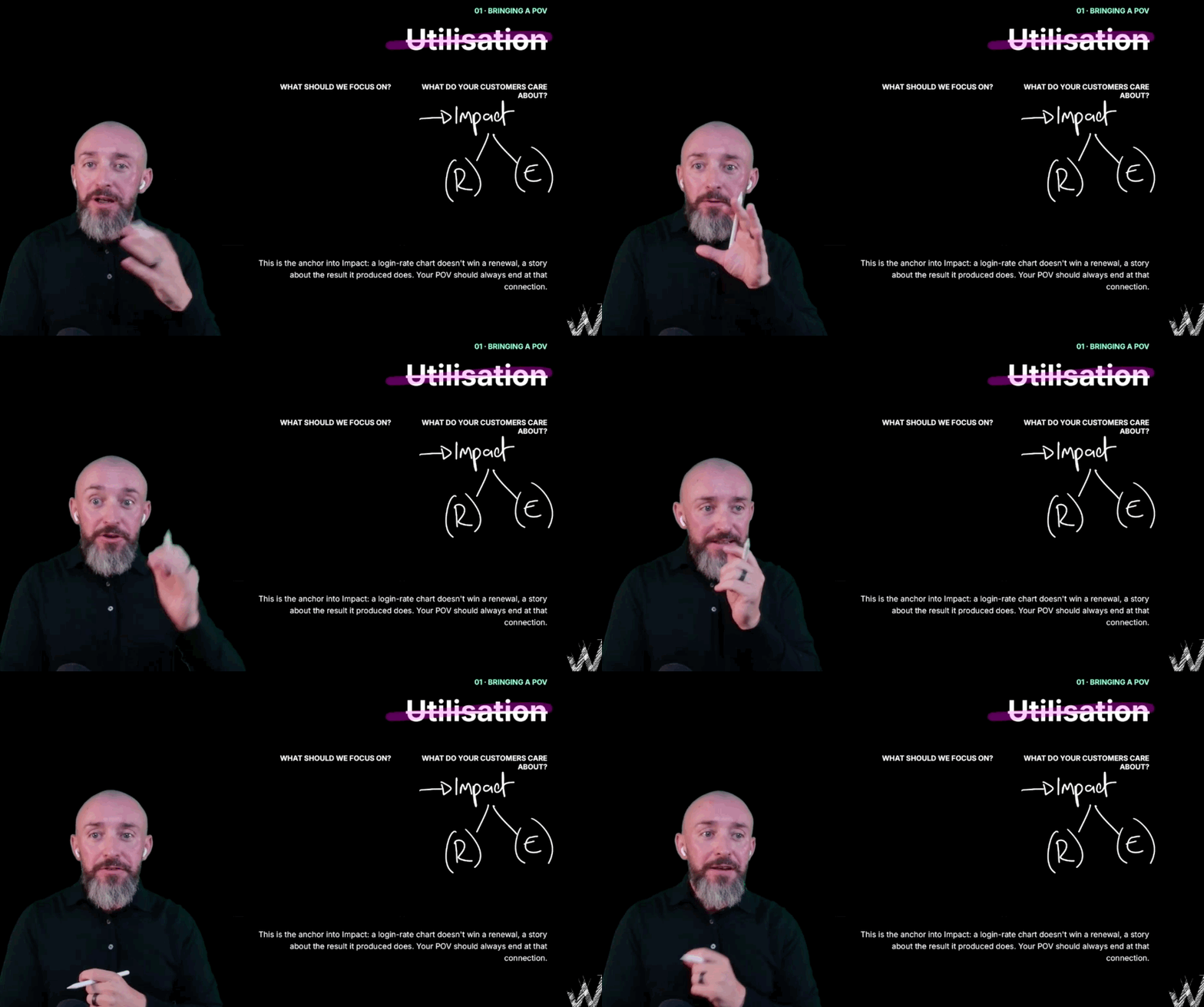
Nobody gets better at delivery by being told about delivery. They get better by delivering, being watched, and being coached on what they actually did.
The approach
The sequence matters. Capability compounds when practice follows the fundamentals and reinforcement follows the practice.
Understand what is working now and where delivery is breaking down.
Develop the fundamentals through Facilitation Foundations.
Use real sessions in coached Practice Labs.
Build shared language, manager coaching and reinforcement.
See the full method on how we work, or the wider organisational view on for organisations.
Set the right expectation
A lot of train the trainer searches are looking for an accredited programme with a qualification at the end. This isn't that, and I won't pretend otherwise. There's no credential and no public calendar — it's in-house, practice-led development judged by what changes when your trainers deliver. If you want the facilitation-first version of this work, that's in-house facilitation training, and the category view sits on facilitation training.
Proof
5,000+
people trained and facilitated
Virtual + in person
small cohorts to large-scale enterprise rooms
Shane's sessions were a real pleasure. He makes complex ideas feel accessible and actually usable. You leave with things you want to put into practice — not just slides you'll ignore.
What sets Shane apart is that he doesn't just deliver training, he builds capability. The sessions changed how our team thinks about conversations, not just what they say in them.
Questions
Tell me who delivers your training today and what isn't landing. I'll come back with how I'd develop them.